
UC Merced sits at the intersection of California's most pressing environmental challenges and its most spectacular natural landscapes. Within minutes of campus, you have access to research sites that span from valley floor to mountain peak. Few universities anywhere can offer field access like this.
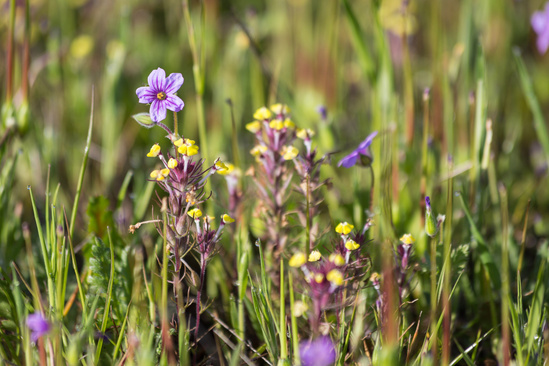 |
Merced Vernal Pools and Grassland ReserveWalk out of class and into 6,500 acres of protected wetlands—one of California's last intact vernal pool ecosystems. These seasonal pools support endangered species like fairy shrimp and tiger salamanders that exist nowhere else on Earth. Over 90% of California's vernal pools have been lost to agriculture and development. The ones next to campus are permanently protected and open for research. |
 |
Our research station in the historic village of Wawona sits inside Yosemite National Park, five miles from the Mariposa Grove of giant sequoias. Students and faculty use it as a base for field research in one of the world's most iconic landscapes. Few universities have a permanent presence inside a national park. We do. |
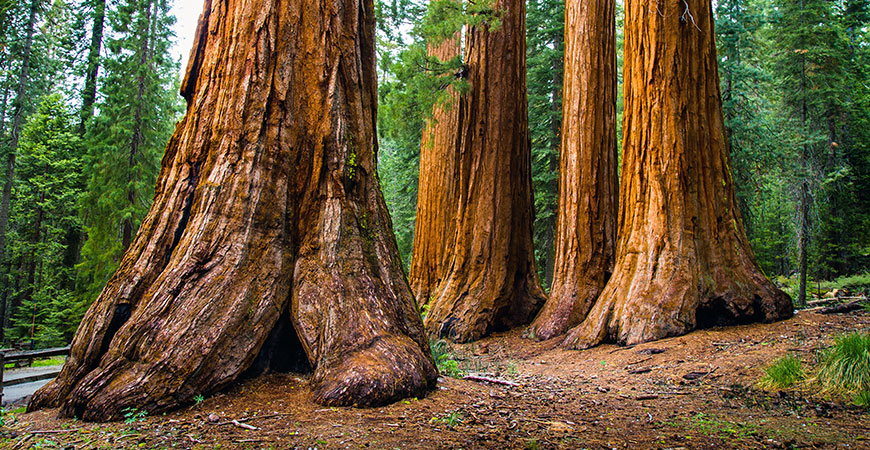 |
A cabin and research facility in the Wolverton area of Sequoia National Park, surrounded by the Giant Forest—more than 8,000 sequoias, representing half of Earth's largest and longest-living tree species. |
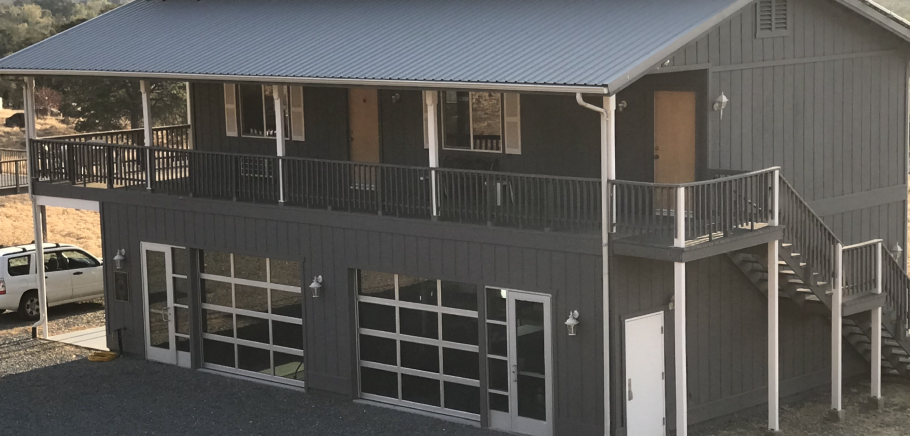 |
SCICON Field StationLocated in Springville at the edge of the southern Sierra Nevada, this station—a partnership with the Tulare County Office of Education—supports research and teaching across the diverse ecosystems of the southern Sierra and San Joaquin Valley. |
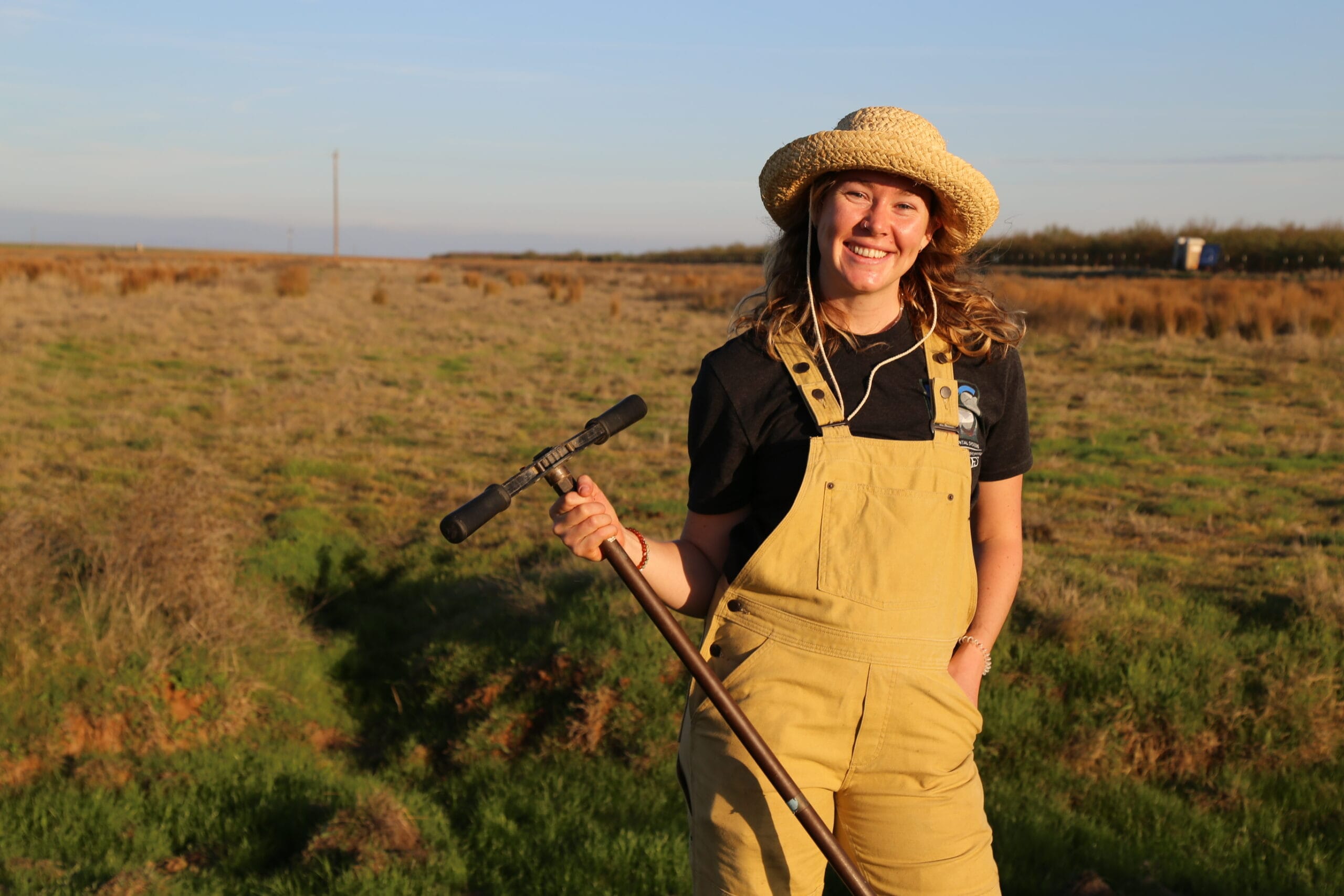 |
A working agricultural research facility where precision agriculture, sustainability, and conservation converge. Students work with sensors, drones, and data systems to develop the farming practices of the future—critical work in a region that produces much of the nation's food. |
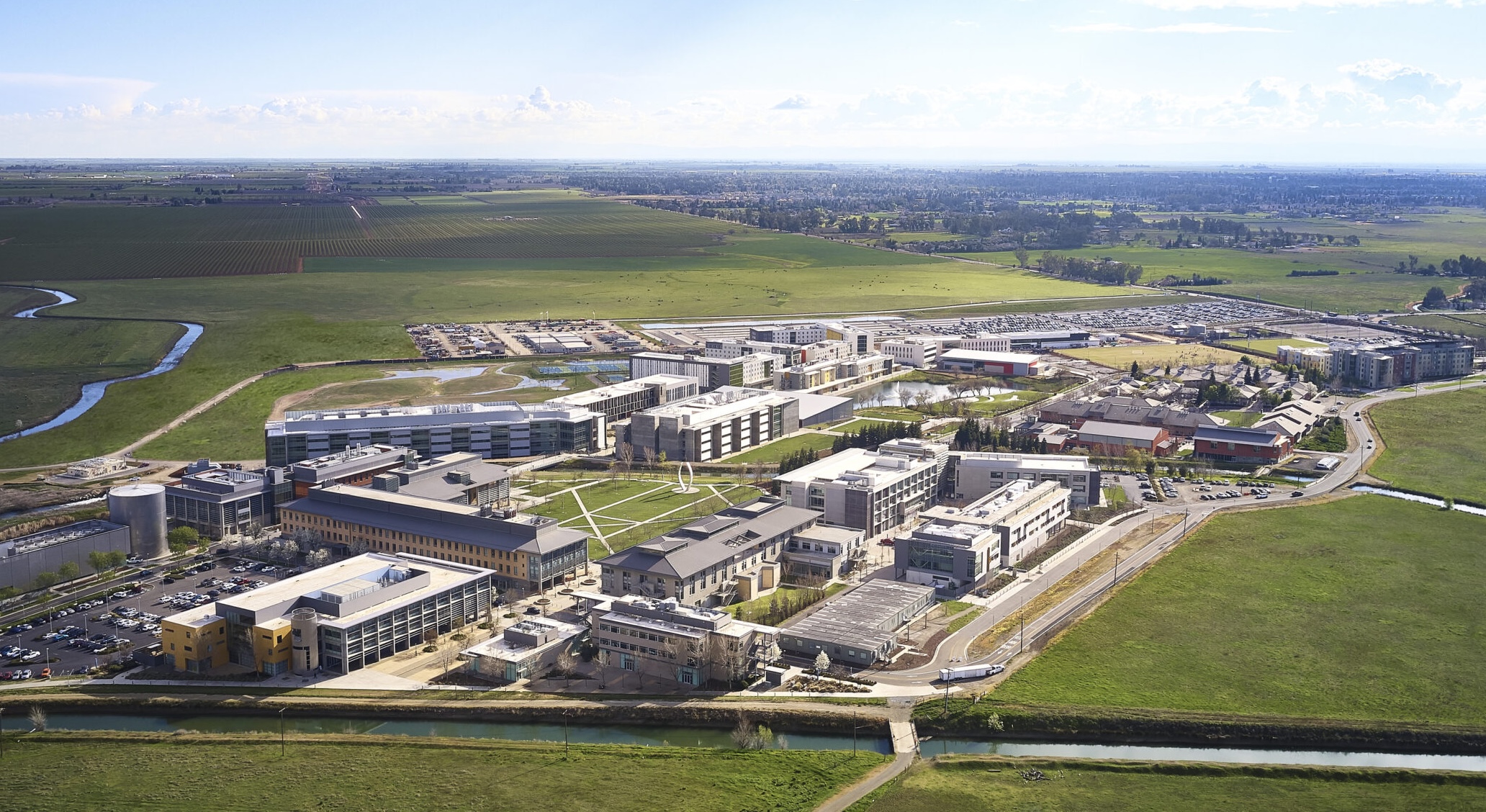 |
The Campus ItselfUC Merced is the only university in the country where every building meets LEED certification—the highest standard for sustainable design. We're the first public research university certified carbon-neutral. Solar panels help power the campus. And through a landmark conservation partnership, 25,000 acres of grassland surrounding the university are permanently protected from development. You won't just study sustainability. You'll live it every day. |
